

City parks facilitate many outdoor activities, provide access to urban biodiversity, and offer various amenities like playgrounds.

Our goal is to raise awareness and increase literacy on biodiversity loss in Canada while emphasizing the need for immediate action. Our planet is currently facing a sixth mass extinction. Scientists have estimated that a number of species are at risk of disappearing 1,000 to 10,000 times their natural extinction rate with nearly 1 million species already threatened with extinction. If WE LIVE IN HARMONY WITH BIODIVERSITY and WORK WITH NATURE’S SYSTEMS, species will thrive, including humans.
City parks facilitate many outdoor activities, provide access to urban biodiversity, and offer various amenities like playgrounds.

Marine biodiversity is incredibly resilient. With aggressive conservation efforts and policy changes, the ocean has a chance to bounce back within 30 years.

Food forests provide for both humans and biodiversity by working in harmony with nature's systems. They're also regenerative and self-sustaining.
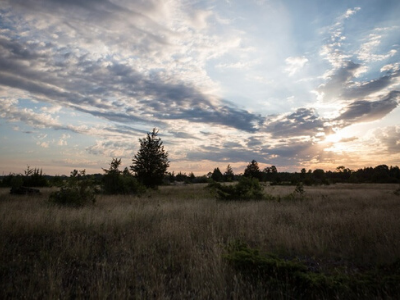
Many prairie and grassland plants are well-adapted to dry conditions and have extensive root systems that are excellent storage for carbon.

A highly effective way to reduce biodiversity losses in agricultural regions is to increase the amount of natural and semi-natural habitats such as forests, hedgerows, prairie strips and other non-crop areas.

Oceans and coasts are a key part of Canada’s environment, economy and identity. Yet most of us are unaware of how they are protected and why conserving them is critical.

What if we could imagine, realize, and actualize alternative ways of tackling biodiversity loss?

The Migratory Bird Act is Canada’s first 'nature law'. However, it does not protect against one of the leading threats to bird populations: habitat destruction. That’s why we need strong networks of protected areas.

Because of the pandemic, this educator experienced the major differences between abstract learning common in schools and experiential learning in nature.

Across Canada, ranges are contracting, populations are declining, and species are teetering on the edge of extinction. So, why aren't we effectively protecting our species at risk?

From the local to the global, we need strategies to connect our wild places into and through our cities, to engage the public imagination and to empower action.

Food and Biodiversity with Dr Lenore Newman: In this episode of What the f*** is biodiversity, Ann and Lenore talk about the food we eat and how this impacts biodiversity.