Extinction is forever: If we don’t act now, what do we lose?
A new IPBES report makes it clear that if we fail to act quickly, nature’s decline will accelerate and the consequences will be irreversible....


A new IPBES report makes it clear that if we fail to act quickly, nature’s decline will accelerate and the consequences will be irreversible....

Canada is experiencing shifting weather patterns and accelerating biodiversity loss, and even small signs like early blooms, reflect deeper environmental change. Plants are responding to the changes, reshaping the natural rhythms that sustain our landscapes and communities....
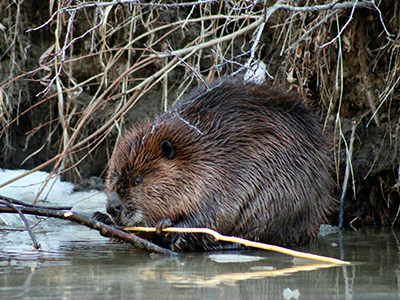
Beavers have long been recognized as nature’s engineers, building dams that slow rivers and reduce flood risks. But new research shows their impact is even greater. Beavers create thriving, water-rich habitats that act as natural firebreaks, slowing wildfires and helping ecosystems recover. Far from being just a Canadian icon, the beaver is emerging as a powerful ally in the fight against climate change....

Boston is transforming traditional roadside turfgrass into bioswales and rain gardens to manage stormwater, reduce flooding, and support urban biodiversity. This shift makes green infrastructure a new standard in city planning, reflecting a broader commitment to climate resilience and ecological design....

On Kainai (Blood Tribe) territory in Alberta, the first Indigenous Fire Guardians program in Canada is rekindling traditional fire knowledge to heal land and culture. As wildfires surge and biodiversity declines, this initiative offers an example of how Indigenous leadership can drive ecological recovery and sovereign stewardship....

How Vancouver’s St. George Rainway uses a bioswale to manage stormwater, support biodiversity, and reconnect critical ecological corridors through innovative green infrastructure design....

16 environmental organizations invited the five main federal parties to complete a survey to present their positions on key environmental priorities....

A review of over 2,000 studies confirms that human activity is the leading cause of widespread biodiversity loss across all of Earth's species....

A new study finds that butterfly populations have declined 22% between 2000 and 2020. These numbers act as a key indicator of the current state and health of our global ecosystems....

How increasing wildfire frequency and severity, highlight the growing need to address wildfire realities in Canada and beyond...

A global approach to addressing food security and environmental challenges. What Canada can learn from the 2024 State of Fisheries Report?...

With 2024 now at a close, how did Canada’s GHG emission levels and targets measure up, and what does this mean for the country’s climate goals as we head into 2025? ...