Mysterious orcas visit Vancouver’s harbour: A rare moment for biodiversity research in Canada
A mysterious trio of orcas spotted in Vancouver’s harbour is offering scientists new insights into ecosystem conditions in the Salish Sea...


A mysterious trio of orcas spotted in Vancouver’s harbour is offering scientists new insights into ecosystem conditions in the Salish Sea...
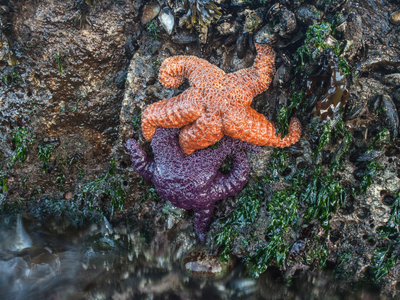
Sea stars along B.C.’s coast are showing signs of recovery after a decade of devastating losses from sea star wasting disease. Scientists have made a major breakthrough in understanding the disease, offering hope for the restoration of these vital marine predators and the ecosystems they help maintain....
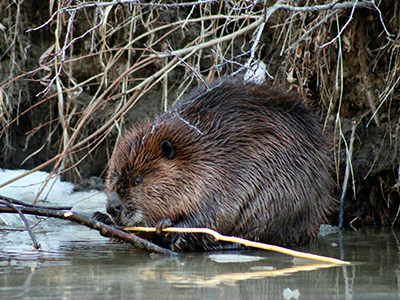
Beavers have long been recognized as nature’s engineers, building dams that slow rivers and reduce flood risks. But new research shows their impact is even greater. Beavers create thriving, water-rich habitats that act as natural firebreaks, slowing wildfires and helping ecosystems recover. Far from being just a Canadian icon, the beaver is emerging as a powerful ally in the fight against climate change....

A new public art and climate initiative brings life-sized puppet animals on a 20,000km journey from the Congo Basin to the Arctic, symbolizing the mass displacement caused by climate change. Blending art with science and rooted in storytelling, the project uses immersive performance to engage the senses for urgent action....

Biodiversity isn’t just out in the wild - it’s all around us, even in the heart of our cities. In this episode of our podcast, Ann talks with urban ecologist Nina-Marie Lister about why urban nature matters and how we can help urban biodiversity thrive....

Easy and impactful ways to create a habitat garden this spring with simple tips like leaving plant litter, letting logs lie, and embracing native plants, to boost biodiversity. ...

How Toronto Metropolitan University's Ecological Design Lab's Bird-Safe City project is at the forefront of creating impactful, place-based design solutions for the wildlife in our cities, tackling the biodiversity crisis....

A review of over 2,000 studies confirms that human activity is the leading cause of widespread biodiversity loss across all of Earth's species....

A new study finds that butterfly populations have declined 22% between 2000 and 2020. These numbers act as a key indicator of the current state and health of our global ecosystems....

We can use a relational approach to building infrastructure in a way that supports regeneration and disrupts the current power imbalances in designing infrastructure, particularly internet access to Indigenous communities....

The development of the Anahim Connector in British Columbia poses a significant threat to the already declining woodland caribou populations by fragmenting their critical habitat. Provincial conservation initiatives have failed to reverse the decline, highlighting the urgent need for evidence-based landscape connectivity design solutions....

This year’s theme, Wildlife Conservation Finance, highlights the critical need for resources and funding, emphasizing the importance of aligning financial support with biodiversity preservation efforts and education....