
How Ontario’s repeal of green-infrastructure standards undermines the climate-ready, adaptive, and biodiverse communities we actually need.


Imagine how grey our world will be if we continue to lose biodiversity. To inspire and empower individuals, communities and decision-makers, we published a BIODIVERSITY ACTION AGENDA. Co-authored by the Women for Nature network, this call to action encourages all Canadians to tackle biodiversity loss as there is no recovery from extinction. Over the next year, a group of experts will explore how each of the 24 solutions can help reverse biodiversity loss.
How Ontario’s repeal of green-infrastructure standards undermines the climate-ready, adaptive, and biodiverse communities we actually need.

Today, September 30, on the National Day for Truth and Reconciliation, we honour the survivors of residential schools and remember the children who never returned home. This day calls us to reflect, to learn, to listen, and to take action — socially, politically, and environmentally.

In February 2019, we introduced our Biodiversity Action Agenda, developed from insights gathered during a four-part national conversation series on biodiversity conservation. A key theme that emerged from these discussions was the critical role of landscape connectivity.
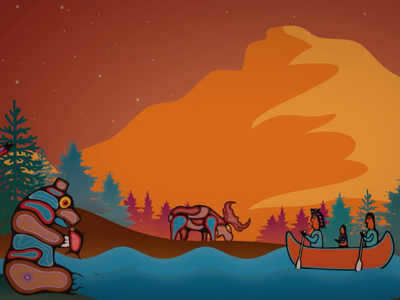
Back in February 2019, we launched our Biodiversity Action Agenda, which captured the collective insights of a four-part national conversation series on biodiversity conservation. The agenda set out a bold pathway for protecting biodiversity outlining recommendations in regard to strategies and plans, public engagement, policy, and political leadership.
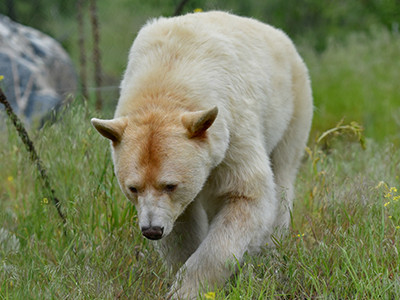
Canada is home to an incredible diversity of wildlife, but few creatures capture the imagination like the Spirit Bear. Unique to Canada, this rare bear often surprises people and reminds us that much of the country’s biodiversity remains unnoticed. Protecting these remarkable species starts with simply knowing they exist.

Canada has committed to protecting 30% of the world's land and waters by 2030, marking a milestone in conservation and an unprecedented pledge to biodiversity recovery. Achieving these goals relies on national coordination, systemic transformation, collaboration and innovation, and realization for the value of the environment in decision-making.

Ford’s government is quietly advancing Bill 5, legislation that would repeal Ontario’s nearly 20-year-old Endangered Species Act. If passed, the bill would roll back decades of conservation progress, placing countless vulnerable species at greater risk and further undermining Canada’s already faltering biodiversity commitments.

Easy and impactful ways to create a habitat garden this spring with simple tips like leaving plant litter, letting logs lie, and embracing native plants, to boost biodiversity.

A new study finds that butterfly populations have declined 22% between 2000 and 2020. These numbers act as a key indicator of the current state and health of our global ecosystems.

The development of the Anahim Connector in British Columbia poses a significant threat to the already declining woodland caribou populations by fragmenting their critical habitat. Provincial conservation initiatives have failed to reverse the decline, highlighting the urgent need for evidence-based landscape connectivity design solutions.

This year’s theme, Wildlife Conservation Finance, highlights the critical need for resources and funding, emphasizing the importance of aligning financial support with biodiversity preservation efforts and education.

J-pod's recent arrival of a female orca calf offers a glimmer of hope for the endangered Southern Resident orca whale community, which faces dire challenges. This birth underscores the urgent need for climate action and biodiversity conservation to protect this species and their habitat.

Invasive species are a growing threat to Canada’s biodiversity, as climate change is shifting ecosystems creating ideal conditions for invasives to outcompete native species. But there’s hope - by taking simple actions like planting native species, reporting sightings, and supporting conservation efforts, we can help biodiversity fight back.

Urbanization threatens biodiversity, but communities worldwide are proving that local action and sustainable strategies can make a difference.

A global approach to addressing food security and environmental challenges. What Canada can learn from the 2024 State of Fisheries Report?

The NET is exploring a partnership with the Canadian Coalition for Green Health Care Coalition. Our dream is to build a greening revolution across Canada to regenerate biodiversity for the health of our communities.

Nature Needs Half represents a goal at a minimum that we must strive for - a starting point to protect biodiversity. While nature deserves more than half, saving half provides a critical foundation.

The WWF 2024 Living Planet Report reveals a 73% average decline in global wildlife populations over the last 50 years. What does this alarming loss of wildlife mean for life on earth?

A new fund that shifts some of the profits from nature’s DNA to global conservation efforts.

Global leaders meet at COP16 as biodiversity loss accelerates at an alarming rate

Since time immemorial, Indigenous peoples have been nurturing understanding and action for taking care of the Land.

Quantifying the economic value of nature and integrating ESG factors into investment decisions could help protect biodiversity.

To increase civic literacy about biodiversity loss in Canada and encourage on-the-ground action, we launched a national biodiversity campaign.

Community engagement initiatives are a great way to help increase understanding and support for biodiversity.