Monarch Migration Reflections: Connecting Nature and Place
Monarch butterflies have more than one home. They migrate over 4,000 kilometres across North America to their wintering sites in the mountains of central Mexico. ...


Monarch butterflies have more than one home. They migrate over 4,000 kilometres across North America to their wintering sites in the mountains of central Mexico. ...
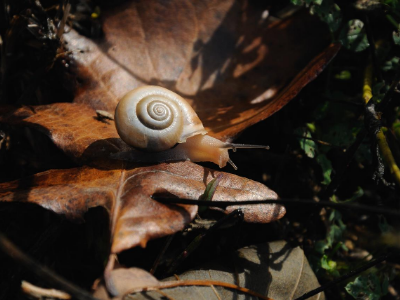
Made up of fallen leaves, bark, twigs and plant stalks, leaf litter helps maintain healthy soils, shelters many species and stores carbon....

An everyday conservationist is someone who experiences environmental concern and takes pro-environmental action. This can be your 5-year-old niece or even your 96-year-old grandpa....

Did you know that there are many wild plants and animals that only exist in Canada?! And it is up to Canadians to ensure their future....

City parks facilitate many outdoor activities, provide access to urban biodiversity, and offer various amenities like playgrounds....

Marine biodiversity is incredibly resilient. With aggressive conservation efforts and policy changes, the ocean has a chance to bounce back within 30 years. ...

Food forests provide for both humans and biodiversity by working in harmony with nature's systems. They're also regenerative and self-sustaining....
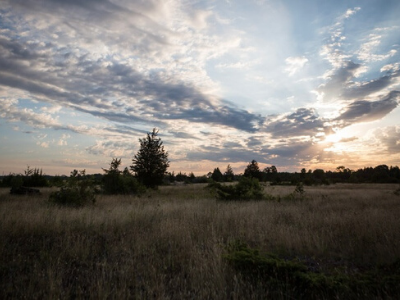
Many prairie and grassland plants are well-adapted to dry conditions and have extensive root systems that are excellent storage for carbon....

A highly effective way to reduce biodiversity losses in agricultural regions is to increase the amount of natural and semi-natural habitats such as forests, hedgerows, prairie strips and other non-crop areas....

Oceans and coasts are a key part of Canada’s environment, economy and identity. Yet most of us are unaware of how they are protected and why conserving them is critical....

What if we could imagine, realize, and actualize alternative ways of tackling biodiversity loss?...

The Migratory Bird Act is Canada’s first 'nature law'. However, it does not protect against one of the leading threats to bird populations: habitat destruction. That’s why we need strong networks of protected areas....